
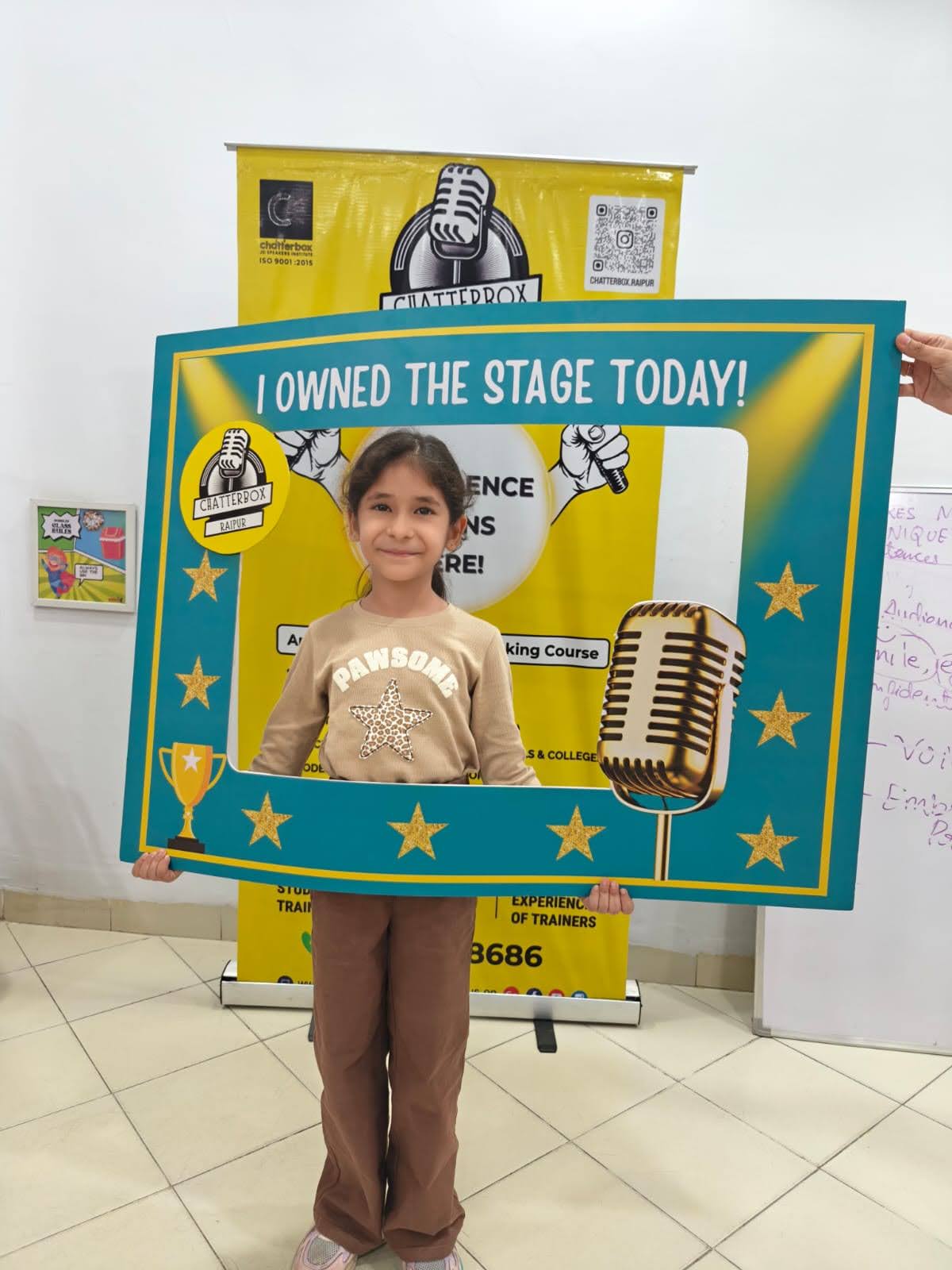
Many adults expect confidence to appear naturally as children grow older. But confidence is built through experience. A child who is never invited to speak safely may continue to hesitate, even when they have strong ideas.
Confidence is a practised behaviour
Speaking up, asking questions, making eye contact and sharing opinions are all behaviours children can practise. The more often they experience success, the more natural confidence begins to feel.
Pressure is not the same as encouragement
Forcing a child to perform can increase fear. Encouragement creates a safer path: small speaking moments, clear guidance and appreciation for effort.
Feedback gives children a map
Specific feedback helps children know what to improve. Instead of saying only “good job,” a mentor might say, “Your idea was clear. Next time, pause after the first sentence.”
Confidence grows beyond the classroom
A confident child participates more actively in school, friendships, family conversations and group situations. That is why confidence deserves intentional teaching.
Help your child practise being heard
Chapter Zero creates structured, warm spaces where children build confidence through communication.
Book a Free Trial